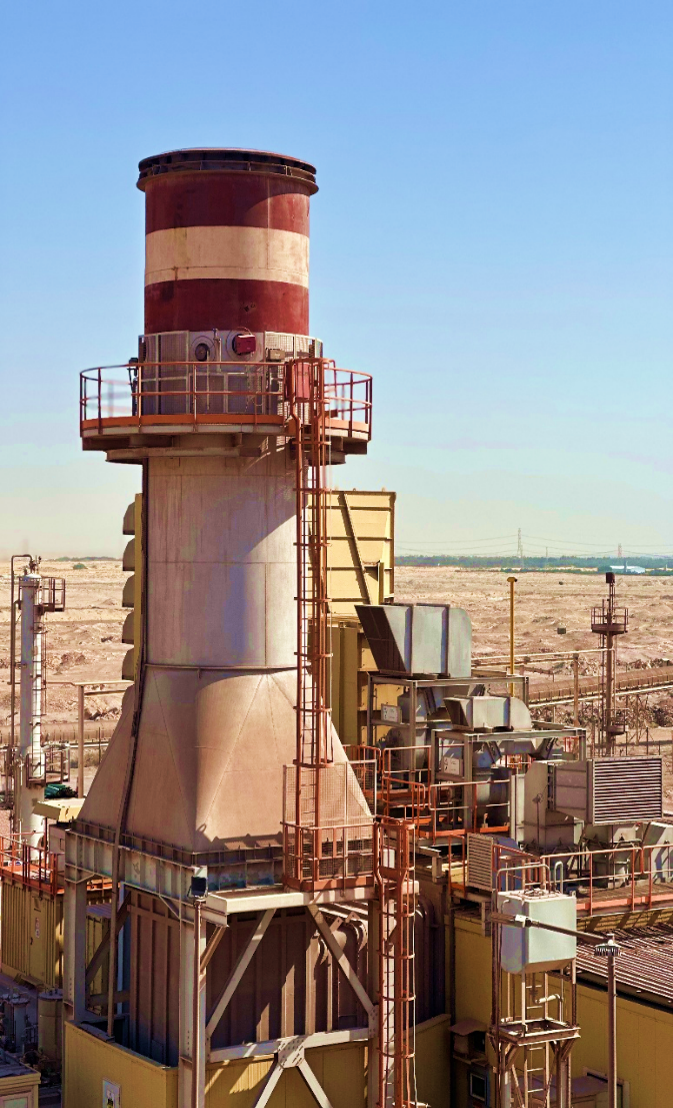
Flare Gas Recovery via HC Dew Point Control & LPG Extraction
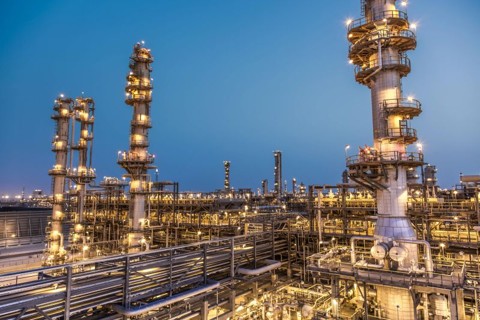
A Flare Gas Recovery System (FGRS) captures waste gases from industrial flare headers instead of burning them off into the atmosphere. Flare Gas Recovery (FGR) utilizing Hydrocarbon (HC) Dew Point Control and Liquefied Petroleum Gas (LPG) extraction maximizes economic value while drastically minimizing environmental emissions.
By compressing, chilling, and separating heavier hydrocarbons from raw flare gas streams, facilities transform waste streams into marketable liquid products and high-quality, dry fuel gas. This technology mitigates flaring penalties, reduces carbon footprints, and provides a rapid return on investment through the recovery of valuable LPG and condensate while delivering residue gas suitable for fuel or pipeline use.
By compressing, chilling, and separating heavier hydrocarbons from raw flare gas streams, facilities transform waste streams into marketable liquid products and high-quality, dry fuel gas. This technology mitigates flaring penalties, reduces carbon footprints, and provides a rapid return on investment through the recovery of valuable LPG and condensate while delivering residue gas suitable for fuel or pipeline use.
Process Mechanism
The recovery sequence relies on thermodynamic phase separation driven by temperature reduction and pressure management:
- Capture: Compressors (such as liquid ring or screw compressors) or ejectors draw gas off the flare header upstream of the liquid seal drum.
- Compression: Low-pressure flare gas is compressed to elevate hydrocarbon partial pressures, optimizing downstream condensation efficiency. Typical discharge pressures of 15–35 barg significantly improve recovery of C3+ components.
- Dehydration and Inhibition: Chemical inhibitors such as Monoethylene Glycol (MEG) or solid-bed desiccants remove moisture to prevent ice and hydrate formation during chilling. MEG is recovered and regenerated for continuous reuse.
- Chilling: The stream passes through a mechanical refrigeration loop or Joule-Thomson expansion valve to drop the gas temperature below its hydrocarbon dew point (typically −15 °C to −40 °C). This selectively condenses propane, butane, and heavier fractions while methane remains in the vapor phase.
- Separation: High-density condensed liquids drop out in a Low-Temperature Separator (LTS) for routing to stabilization columns. The three-phase LTS also isolates the aqueous glycol-water phase for recovery.
- Fractionation: The recovered liquid is distilled into commercial-grade LPG (propane and butane mixes) and heavier condensates (C5+). Stabilization ensures the products meet market specifications.
- Reuse: The cleaned gas is sent back into the plant’s fuel gas system, process feed, or natural gas network.
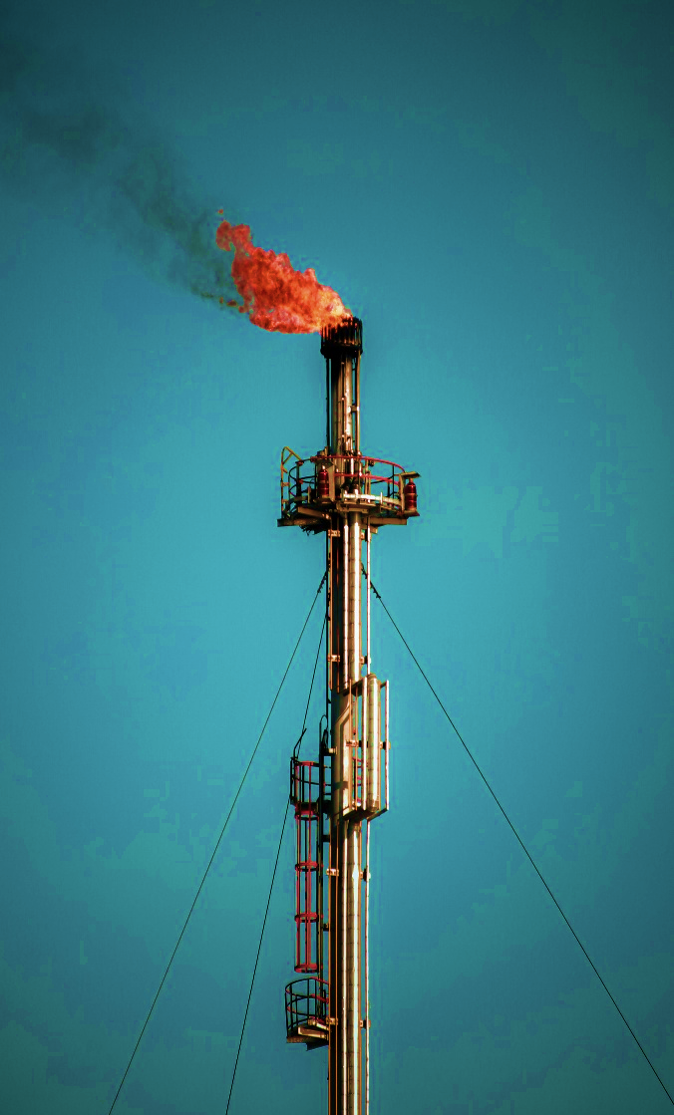
- Safety Override: If a high-pressure plant upset or emergency occurs, the recovery system temporarily pauses, and the gas safely routes to the flare tip for combustion.
System Operating Specifications
| Parameter | Standard Range | Operational Target |
|---|---|---|
| Inlet Header Pressure | 0.1 to 1.5 barg | Low-pressure capture from flare manifold |
| Discharge Pressure | 15 to 35 barg | Optimal partial pressure for condensation |
| Chilling Temperature | −15 °C to −40 °C | Condenses C3+ fractions while keeping methane volatile |
| LPG Recovery Efficiency | 85% to 98% | Maximum extraction of marketable propane and butane |
| Residue Gas Quality | < −10 °C HC Dew Point | Compliant pipeline-quality or facility fuel gas |
Equipment Architecture
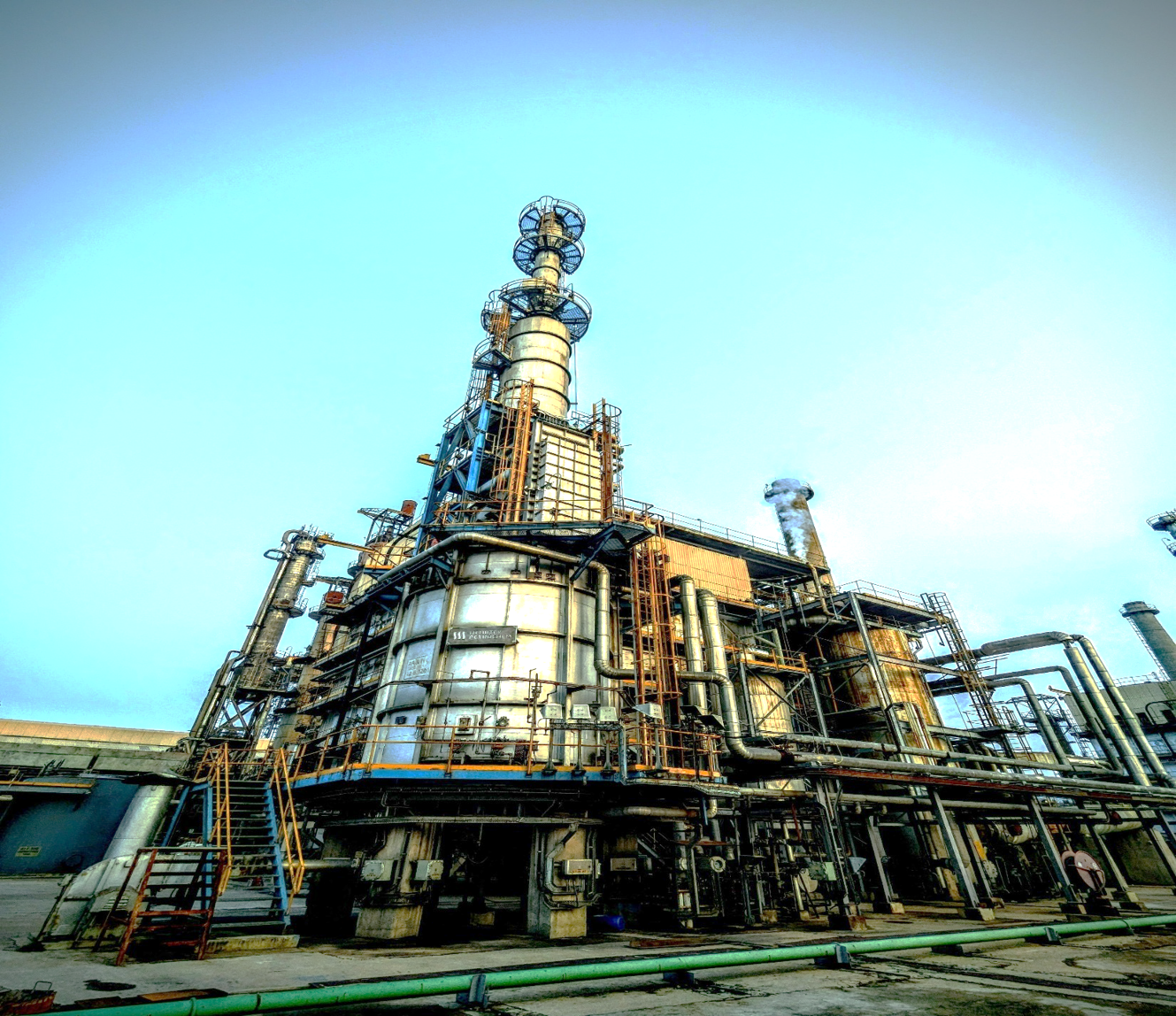
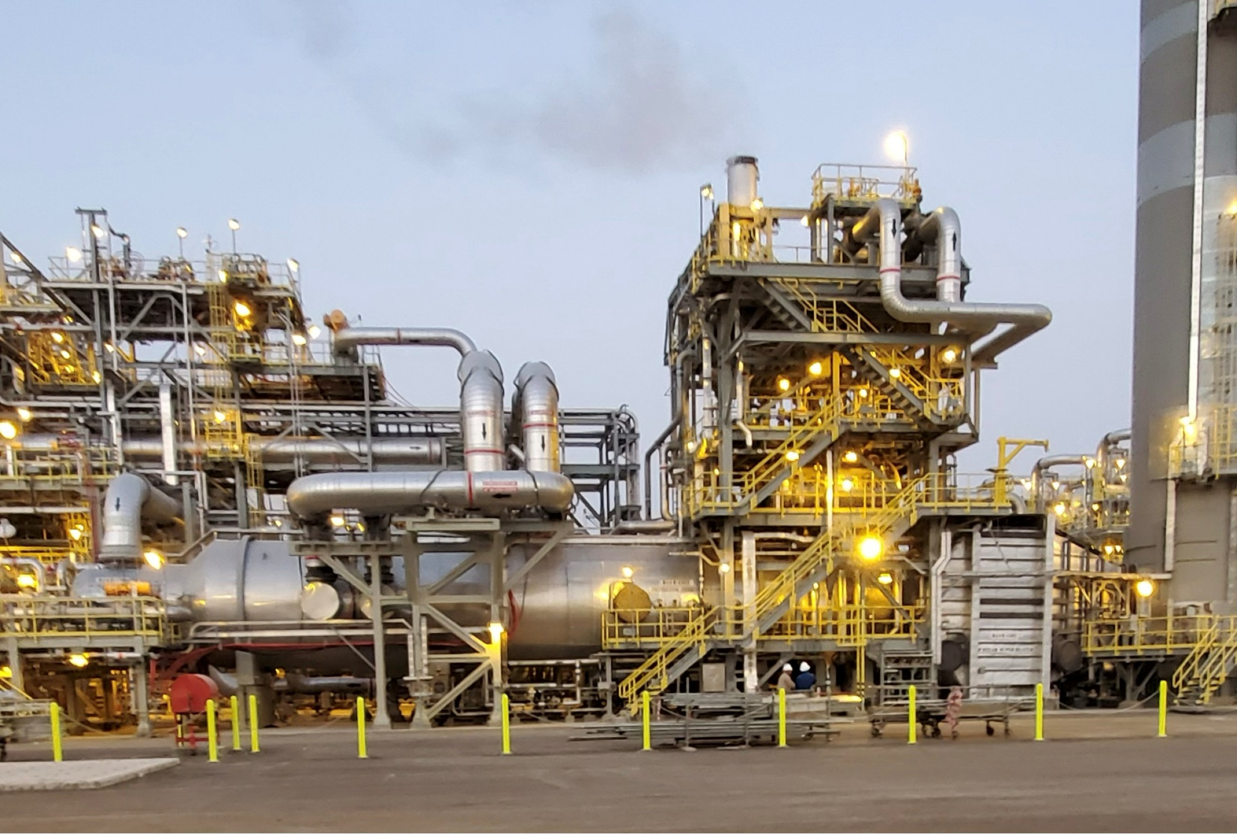
An open-art, non-proprietary FGR unit consists of heavy-duty, field-proven industrial equipment:
- Liquid Ring or Screw Compressors: Ideal for handling fluctuating flow rates and wet, dirty flare gas compositions without fouling.
- Shell-and-Tube Heat Exchangers: Facilitate gas-to-gas and gas-to-refrigerant heat transfer to maximize thermal efficiency.
- Mechanical Chiller Package: Closed-loop propane or ammonia refrigeration cycles providing steady, deep-cooling duty.
- Three-Phase Low-Temperature Separator: Isolates the dry residue gas, condensed hydrocarbon liquids, and the aqueous glycol-water phase.
- Stabilization & Fractionation Columns: Reboiler-equipped towers that cleanly split the liquid stream into distinct LPG and condensate products.
Technical and Environmental Value
Key Benefits
- Emission Reductions: Cuts routine flaring by 80% to 98%, lowering CO₂, methane, NO}x, and SOx emissions.
- Cost Savings: Recovers valuable hydrocarbons to offset plant fuel or steam consumption and avoids carbon taxes or regulatory penalties.
- Equipment Longevity: Reduces thermal radiation, noise, and damage to the flare tip, extending its service life.
| Feature | Field Benefit |
|---|---|
| Emissions Mitigation | Drastically cuts volatile organic compound (VOC) and carbon dioxide equivalent (CO₂) emissions. |
| Resource Optimization | Converts a hazardous waste stream into a captive energy source or direct revenue stream. |
| Equipment Protection | Eliminates liquid carryover in the fuel gas network, preventing burner damage and flame instability. |
| Regulatory Compliance | Fulfills strict zero-routine-flaring mandates dictated by environmental protection authorities. |